
Moving
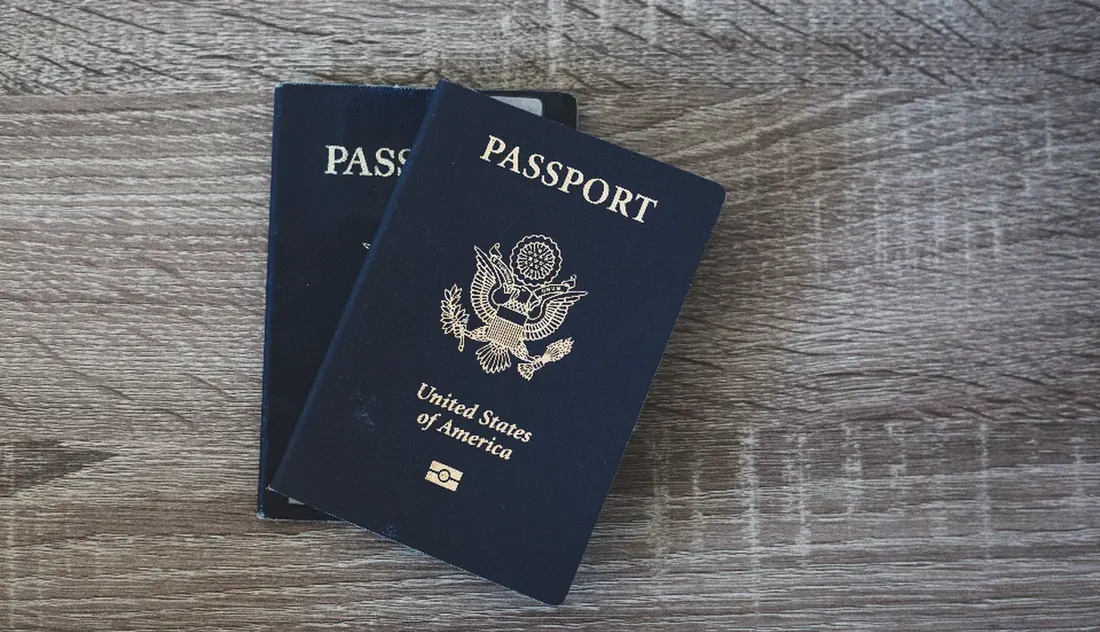
Most of what goes wrong with a move to Thailand is not a bad decision. It is a good decision taken in the wrong order. You cannot open a Thai bank account without the right visa. You cannot get a residence certificate without a lease and a filed TM30. You cannot season ฿800,000 for a retirement extension in an account that opened last week. Stacked wrongly they cost you a month in a hotel and a flight you had not budgeted for.
What follows is the sequence. Move the dates to suit yourself. Keep the order.
Twelve months out
The first item is not paperwork. It is deciding where in Hua Hin you will live, and it is the one people skip.
Come and stay. Not for a fortnight in February when the weather is behaving. Come in September or October, when it rains properly, and watch what the road outside your shortlisted building does with the water. Drive from each area you like to Bangkok Hospital Hua Hin, to the school, to the supermarket that stocks what you cook with, at eight on a Monday. Khao Takiab, the town centre, Nong Kae, Pranburi and Cha-am are different places to live, and that difference does not appear in a property listing.
Choose your visa route in the same month, because everything downstream hangs off it. Over 50, the retirement route through a Non-Immigrant O is the usual answer: broadly ฿800,000 held in a Thai bank, or income of around ฿65,000 a month, with seasoning rules attached to the deposit. Working remotely for clients outside Thailand, the DTV. Marriage, study, employment and the LTR each have their own bar. Requirements differ by consulate and change without announcement, so read the published list on the website of the Thai embassy you apply through and treat everything else, this page included, as orientation.
Six months out
The long-lead items, which cannot be compressed later.
- Schools. Apply. Hua Hin’s international schools run rolling admissions rather than one hard deadline, but year groups fill and assessment takes time. Allow several weeks from application to a confirmed place, and budget for an application fee, a one-off enrolment fee and termly fees. Ask for the fee sheet in writing.
- Pets. The longest lead time in the whole move. An ISO-standard microchip must be fitted before the rabies vaccination counts, the rabies shot generally needs to be more than 21 days old on arrival, and the import permit from the Department of Livestock Development is applied for in advance and is time-limited. Snub-nosed breeds face airline embargoes in warm months, and some dogs cannot fly at all. Confirm current rules with the DLD and your airline, not a forum thread from 2023.
- Your house at home. Give notice, or list it, or agree the dates. This is what fixes everything else.
Then decide what comes with you. Thailand lets used household effects in without duty when you are changing residence, but the exemption is tied to your visa status — in practice a one-year extension or a work permit — and to a window running from shortly before your arrival to roughly six months after. Items must be genuinely used; new goods in the box get taxed. Confirm the current position with Thai Customs before you pack a container.
A sea container from Europe runs six to ten weeks door to door. Furniture is cheap here, and Thai hardwood copes with the humidity better than veneer flatpack. Ship books, kitchen knives, bedding, tools, medical records. Replace furniture, white goods and anything bulky. Sell the rest. Thailand runs on 220V at 50Hz, so bring appliances only if they are irreplaceable.
Three months out
File the visa. Most consular applications now route through the Thai e-Visa portal. Applying from home is slower than from a neighbouring country, but your bank is reachable by telephone and a refusal costs you time, not a hotel bill abroad.
Do the medical and the dental now, while you are still insured at home. Dentist, optician, bloods, skin check, anything you have been putting off. Ask for your records in English and digitally, and for a repeat prescription letter listing generic names, not brands.
Arrange health insurance that starts the day you land, not the day you sign a lease. Some routes, the O-A among them, require cover at a stated minimum. Read the pre-existing conditions clause before you read the price.
Get certified copies, translations and apostilles of marriage and birth certificates done at home. From Thailand it adds months.
Then the home admin. Tell your bank you are moving before you go, because an unannounced login from Bangkok freezes cards, and keep at least one home account and one card open. Keep your home mobile number alive on a cheap eSIM, because that is where your two-factor codes arrive. Set up mail forwarding or a scanning address. Get an International Driving Permit, which Thailand accepts as a bridge rather than a substitute for a Thai licence. And find out what leaving does to your tax residency at home; most countries run a day-count test, easier to satisfy in advance than to argue afterwards.
One month out
Confirm the visa is in the passport, or the e-Visa approval issued. Do not book the container against a visa that has not come back.
Book 30 to 60 days of temporary accommodation and no more; a monthly rate on a condo is sensible. Cancel utilities with final meter readings, collect 90 days of medication, sell the car, and take the pet’s paperwork to the vet for its final checks.
The week you fly
Submit the TDAC. Thailand’s digital arrival card replaced the paper form and is required of foreign nationals arriving by air, land or sea. File it online within 72 hours of arrival. It is free; any site charging you is not the government one.
Get the pet’s export health certificate endorsed inside its validity window, usually only a few days.
Bring some baht in cash and tell your card providers your travel dates. Print the visa, the insurance certificate, the school letters, the pet permit and your first accommodation booking with the address in Thai. Immigration will ask for that address, and your phone will pick the worst possible moment to die.
Your first week here
Two things matter on day one. Neither is the beach.
Get a Thai SIM. AIS, True or dtac, at the airport or any branch, passport in hand. Everything after this needs a Thai number: bank one-time passwords, Grab, LINE, the immigration portals.
Then the TM30. Your landlord or hotel is legally responsible for notifying immigration of where you are staying, within 24 hours of arrival. Hotels do it automatically. Private landlords frequently do not, and you pay for that later, because immigration asks for the receipt when you apply for anything at all. Get it in writing.
Spend the rest of the week looking. Walk the sois after dark. Sit in the school-run traffic. Do not sign a twelve-month lease in your first week because the first place you saw had a good pool.
Your first month
Lease, then bank, then residence certificate. In that order, because each one is the evidence for the next.
Sign the lease. Twelve months is standard, two months’ deposit plus a month in advance is the usual ask. Get a copy of the landlord’s ID, the house book details, and an explicit written agreement that they will file the TM30. Without that last one your admin stalls in month two.
Open the bank account. Banks now want a genuine long-stay visa; tourist entries and exemptions are effectively closed, and DTV holders report inconsistent outcomes branch to branch. Bring passport, visa, lease and TM30 receipt, and expect to be asked for a residence certificate. Being refused at one branch and accepted at another in the same town is normal. Do not argue; try the next branch.
Get the residence certificate from Hua Hin immigration, inside BluPort. The lease and the TM30 are what get you it; it is what gets you the bank, the driving licence and a vehicle. It is dated and usually issued for one stated purpose, so ask for more than one copy.
Then utilities, internet, and customs clearance if you shipped. By the end of week six you will have queued considerably more than you have swum. That is the honest shape of it, and no brochure says so.
Your first ninety days
The 90-day report. Stay more than 90 consecutive days on a long-stay visa and you must report your address to immigration. The window runs from 15 days before the due date to seven days after. The first is normally in person; the online system is generally only open to people who already have a filing history. Late costs a fine, in the region of ฿2,000 if you present yourself and more if they find you. Put the date in your calendar on the day you land.
The Thai driving licence. Take the residence certificate, a recent medical certificate from any clinic, your home licence with a certified translation, passport and photographs. There is a written theory test in English with a high pass mark, and a practical element depending on the office. The first licence is temporary, converted to a five-year one later. Fees run to a few hundred baht.
Your extension of stay, if you are on a Non-O, is where sequencing bites hardest. The money must have sat in a Thai account for the required period before you file. That is why the account opens in month one, not month three.
Tax runs on a different 180-day clock. Spend 180 days or more here in a calendar year and you are Thai tax resident. Take that to a qualified Thai adviser, not to us.
After that it is the ordinary business of building a life: a doctor, a dentist, a mechanic, a vet, a market stall where they know what you buy.
Where we come in
We can tell you which of these areas suits how you actually live, and what a Tuesday there feels like before you commit to twelve months of it. We do not file visas or give tax advice — that is for your embassy and a qualified adviser. What we can do is make sure the order is right.
Please check before you act. Thai visa, tax, banking and property rules change,
and different offices and consulates interpret them differently. Everything here is a starting point, not advice.
Confirm your own position with the Thai embassy or consulate you will use, the Immigration Bureau, and where money
or law is involved, a qualified Thai professional. Last reviewed 31 July 2026.
Not sure where to start?
Thirty minutes on a call, no obligation. We will tell you what is realistic for your timeline and what to do first.
Book a free consultationKeep reading
Visas
The Thailand Retirement Visa, Explained for Hua Hin
Who qualifies, how the O-A, O-X and in-country Non-O routes differ, the ฿800,000 rule, insurance, 90-day …

Housing
Where to Live in Hua Hin: A Neighbourhood Guide for Expats
An honest guide to the best neighbourhoods in Hua Hin for expats: indicative rents, drive times, schools,…
Money
What It Actually Costs to Live in Hua Hin
Three honest monthly budgets for Hua Hin, plus the costs nobody puts in the spreadsheet: visas, insurance…